
 Print this page
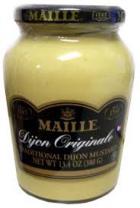
Dijon mustard
In season all yearFood Description:
There are many types of mustard but Dijon is my favourite to use in salad dressings. It's the traditional mustard of France and was given its name from the town of Dijon in France, which was a centre of mustard making in the early Middle Ages. The mustard is made from blending brown or yellow mustard seeds with vinegar, salt, lemon juice and water. It's a condiment, to accompany all meats or as an ingredient to make dressings or sauces.
General Information:
| Category: | Cheese |
| To Buy: | Buy in jars usually alongside the sauces and pickles |
| To Store: | Once opened store in the fridge and always serve it with a clean spoon or knife. |
| Tips and Tricks: |
Nutrition (1 Cup):
|
|

Cooking:
Cooking Tips:
Benefits the Following Health Conditions:*
* This information is sourced by a qualified naturopath. It is non prescriptive and not intended as a cure for the condition. Recommended intake is not provided. It is no substitute for the advice and treatment of a professional practitioner.
Disclaimer:
The Food Coach provides all content as is, without warranty. The Food Coach is not responsible for errors or omissions, or consequences of improper preparation, user allergies, or any other consequence of food preparation or consumption.