The Fresh Food Club
print Print this page

Turnips (Swedes)

In season Autumn Winter

Food Description:

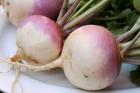
Turnips originated from the wild turnip, native to Central Asia, the Mediterranean and the Near East. Turnips are a root vegetable. They are a cylindrical shape with a flat top and a root which tapers to a point. Their skin is almost smooth and can be green, or white with green or purple bands at the top. Turnip flesh is white or yellow with a slightly sweet flavour.

General Information:

Category: Vegetable
To Buy: Select firm bulbs that feel heavy for their size and have a sweet smell.
To Store: Store in the crisper section of the refrigerator for up to 2 weeks.
Tips and Tricks:

Nutrition (1 Unit):

Weight (grams): 61
Carbohydrates, g: 2.1
Fat (g): 0.0
Monosaturated Fat , g: 0.0
Potassium: Needed for normal growth and muscle and nerve contraction. Together with sodium regulates water and fluid balance in the body.
Salicylates: Naturally occurring plant chemicals found in several fruits, vegetables, nuts, herbs and spices, jams, honey, yeast extracts, tea and coffee, juices, beer and wines. Also present in flavourings, perfumes, scented toiletries and some medications.

For those with sensitivities, low foods are almost never a problem, moderate and high foods may cause reactions, depending on how sensitive you are and how much is eaten. Very high foods will most often cause unwanted symptoms in sensitive individuals. Moderate
Energy (kJ): 63
Protein (g): 0.8
Saturated Fat, g : 0.0
Vitamin C: Antioxidant, anti inflammatory and immune-boosting, this vitamin has a range of uses. Is essential for collagen formation, therefore plays a role in wound healing. Fights infection and protects against free radical damage. Vitamin C helps maintain normal cholesterol levels, promotes the absorption of iron and counters the effects of stress as it is concentrated in the adrenal glands.

Contraindications:
Large doses can cause diaorrhea or gas.
Amines: Amines come the breakdown or fermentation of proteins. High amounts are found in cheese, chocolate, wine, beer and yeast extracts. Smaller amounts are present in some fruits and vegetables such as tomatoes, avocados, bananas.

For those with sensitivities, low foods are almost never a problem, moderate and high foods may cause reactions, depending on how sensitive you are and how much is eaten. Very high foods will most often cause unwanted symptoms in sensitive individuals. Negligible
Glutamates: Glutamate is found naturally in many foods, as part of protein. It enhances the flavour of food, which is why foods rich in natural glutamates such as tomatoes, mushrooms and cheeses are commonly used in meals. Pure monosodium glutamate (MSG) is used as an additive to artificially flavour many processed foods, and should be avoided, especially in sensitive individuals as it can cause serious adverse reactions. n/a

Cooking:

Cooking Tips: Turnip leaves can be cooked like spinach - wash and drop into a pot of salted boiling water - cook for 2 minutes. Turnips bulbs should be peeled and chopped. Boil, bake, or stir-fry until tender, about 6-10 minutes if chopped, 15-20 minutes if left whole. Delicious in winter soups.

Benefits the Following Health Conditions:*

Cold and Flus

* This information is sourced by a qualified naturopath. It is non prescriptive and not intended as a cure for the condition. Recommended intake is not provided. It is no substitute for the advice and treatment of a professional practitioner.